

Treach VR
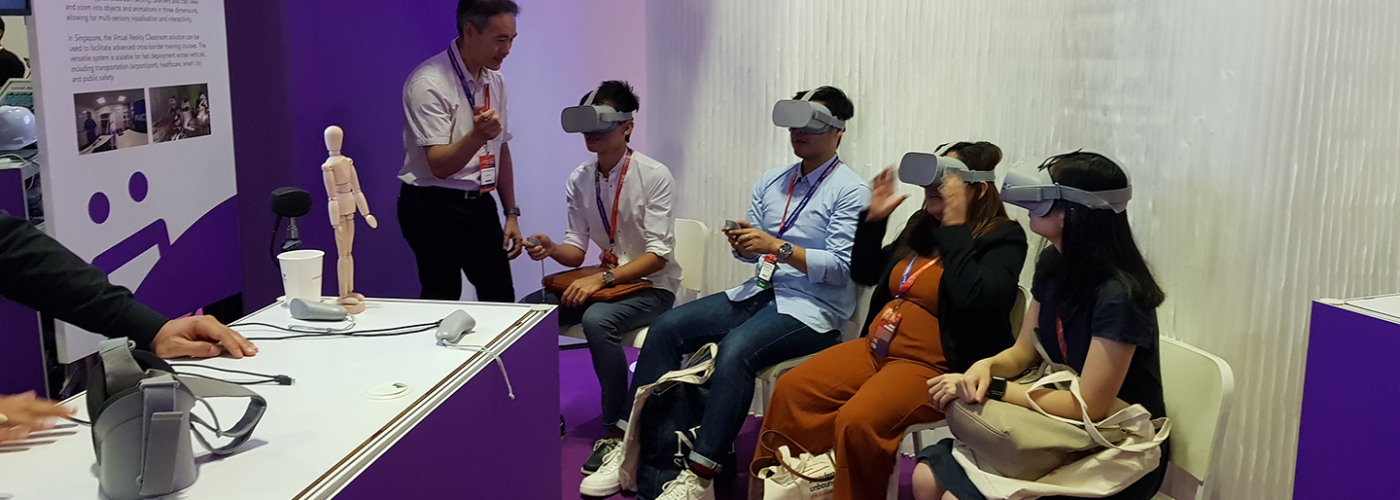
The Treach platform enables teachers to easily create content for VR courses and lectures. By making different kinds of quizzes and designing educational concepts for remote learning, teachers can have an impact of modern day schooling. Students can directly profit from high levels of interactiveness and the simplification of complex models. Especially the use of gamification can enhance the motivation and concentration of kids in a digitalized society. By competing in course-related quizzes and games students are reminded of their favourite games while learning important lessons for life.
Through Treach many of the problems of remote learning are tackled. The visualization and gamification of educational content further enhances the effectiveness of E-Learning as a whole.
The Challenge
Our journey in the fields of remote VR education started in 2018 when we were challenged to be part of a pilot project in Africa. The goal was to resolve some of the problems of education in rural Africa.
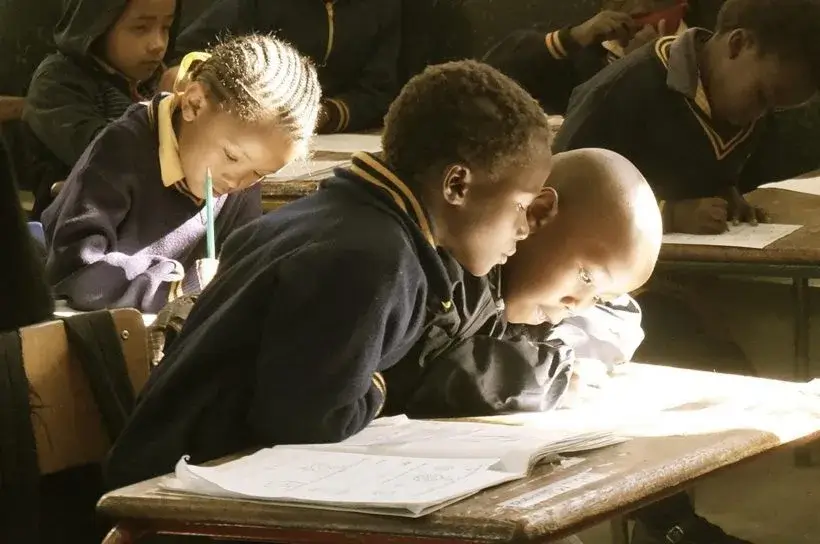
For example Kids in rural villages often don’t have access to electricity and internet. Furthermore the lack of schools makes it difficult for students to attend their classes. Also the resources of schools are highly limited, because teachers and equipment are scarce.
The use of digital technologies in education is mostly non-existent and potential benefits have not been felt.
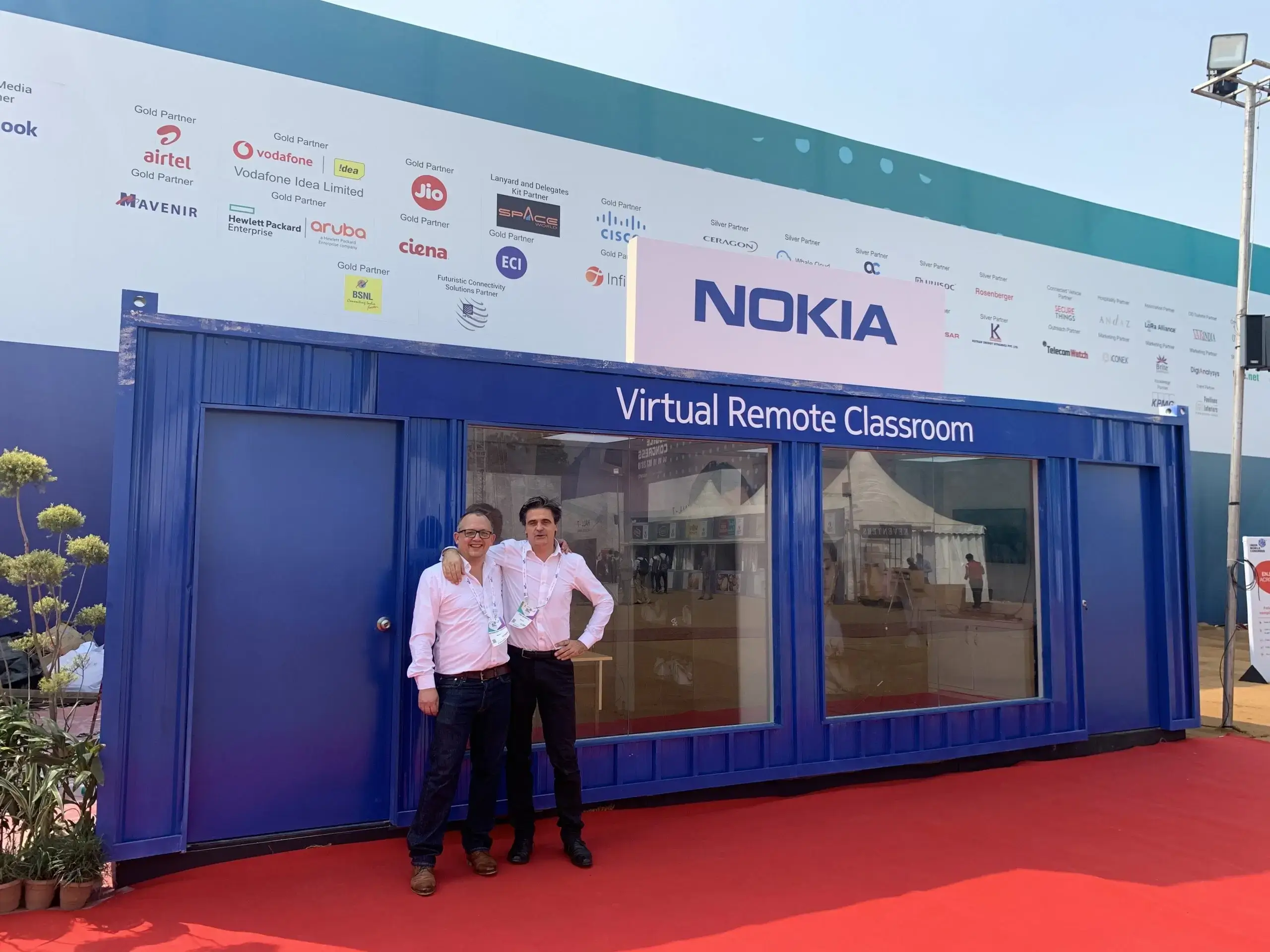
Connected Schools
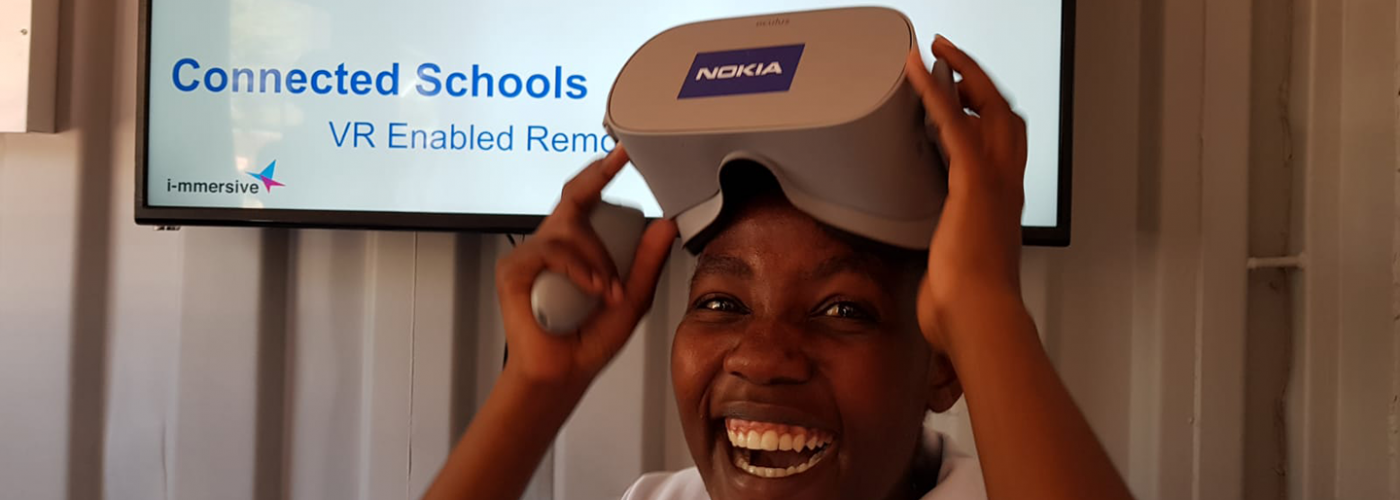
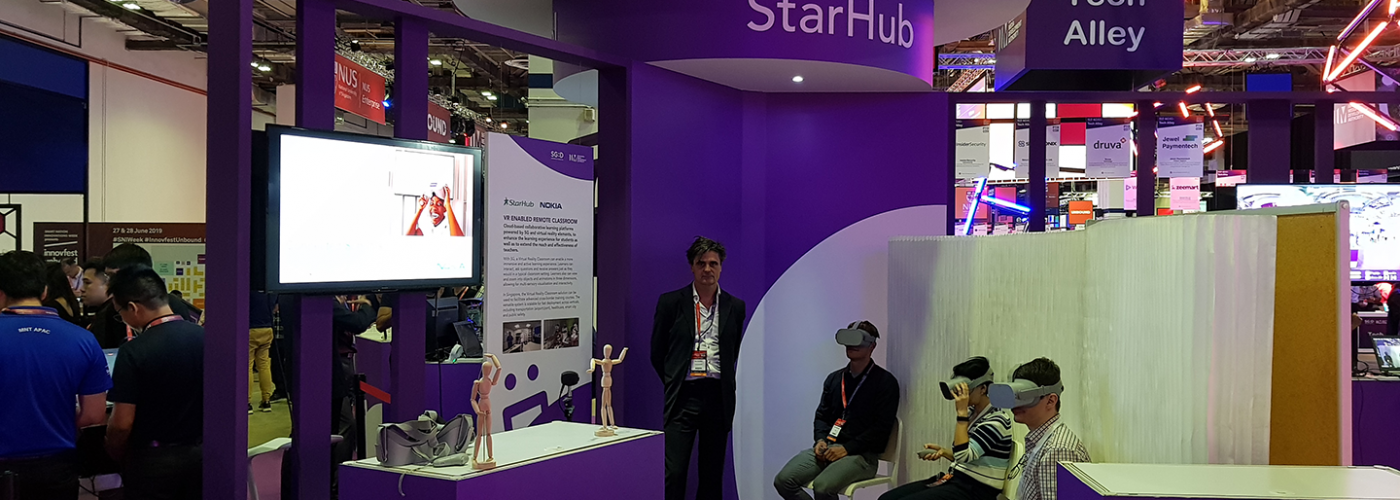
The project Connected Schools, which was developed in close partnership with Nokia, aimed to target especially the lack of teachers in rural areas of South Africa.
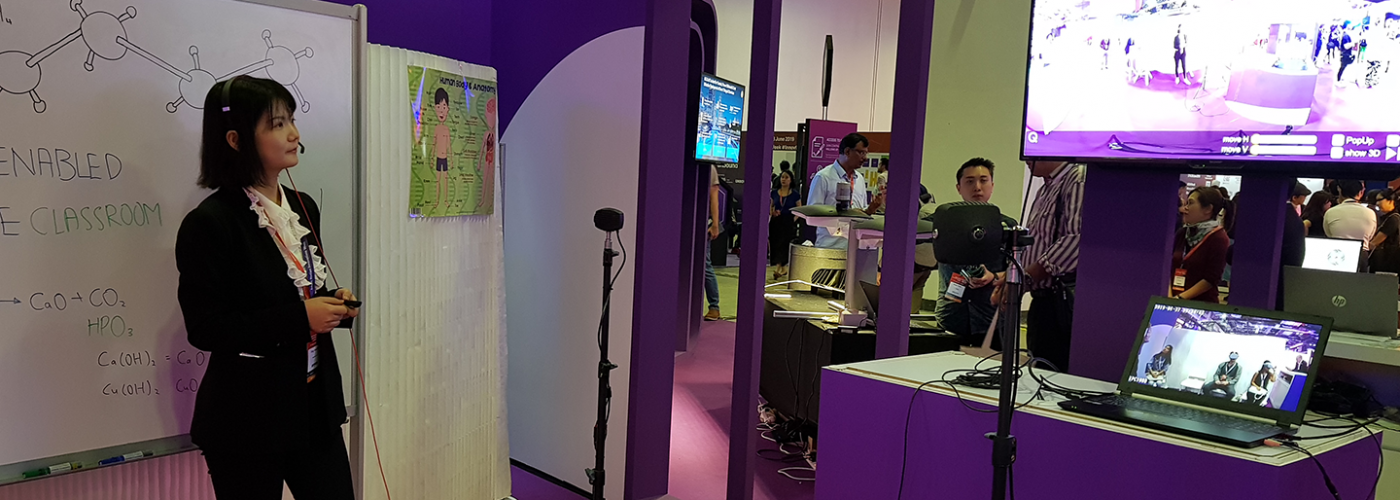
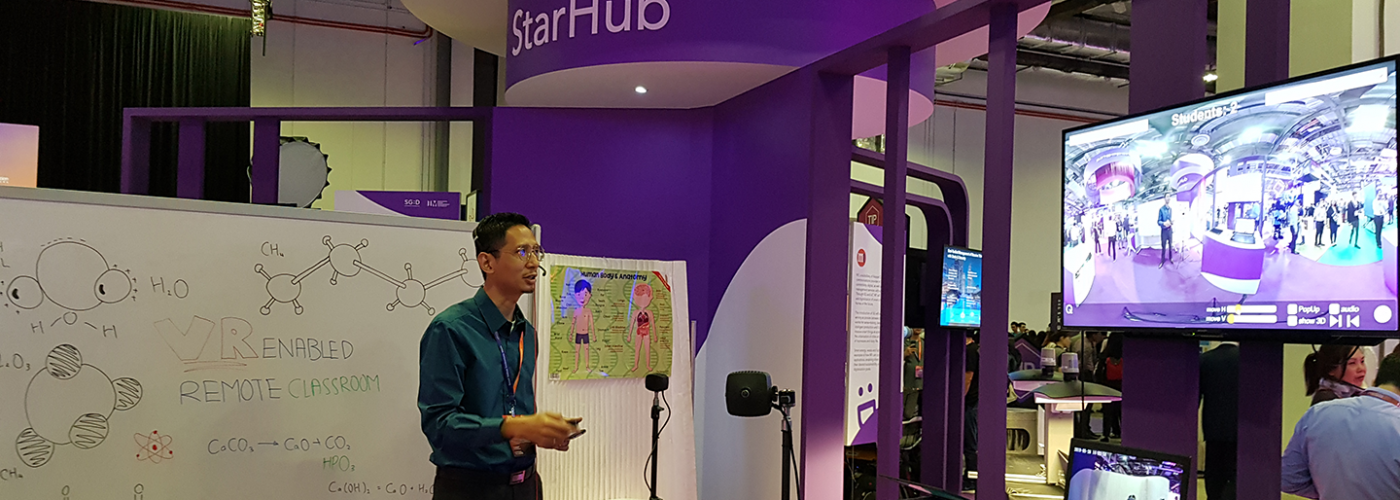
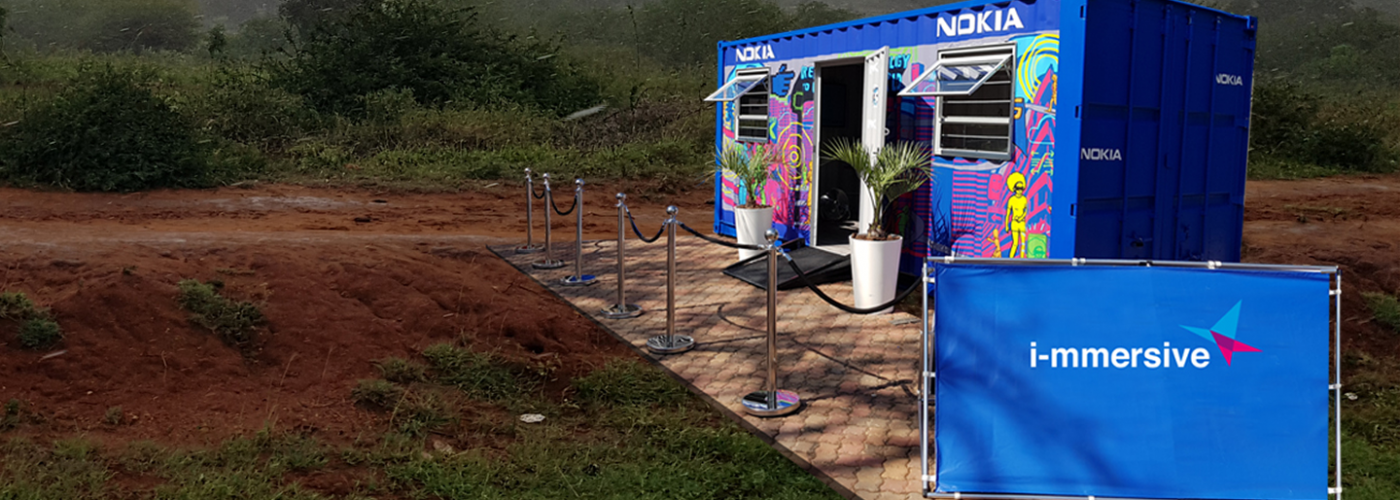
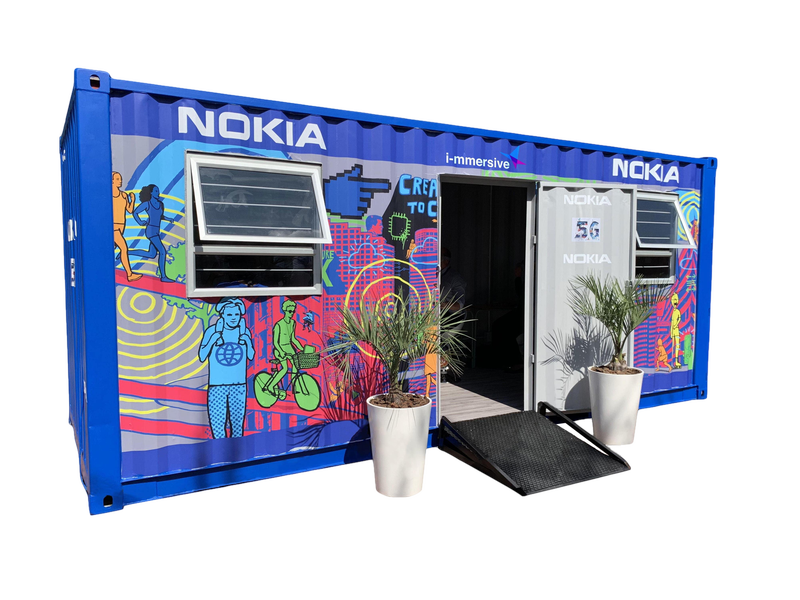
The solution had to be cheap, viable and efficient. We transformed a regular shipping container into a first-of-its-kind remote classroom, equipped with all the necessities of a modern classroom. Through VR ocular glasses students could then have a one-on-one experience with a teacher, who was stationed in a city far away from the school. With the help of 3D models theoretical scientific concepts could be comprehended easily, especially when reinforced by real world examples.
Many students from rural areas do not possess sufficient real world experience in order to relate to text-book examples or regular teaching methods, but through VR the experience can be brought to them in a cost-efficient manner.